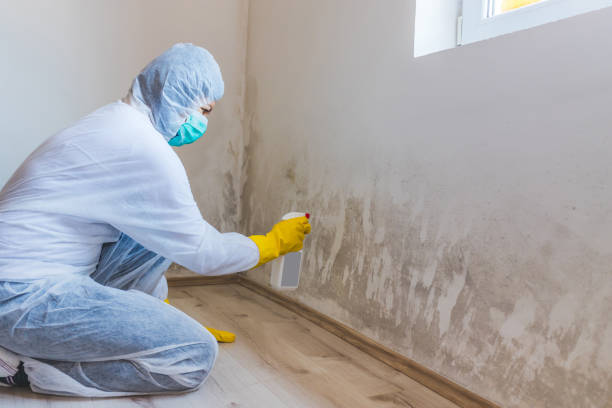
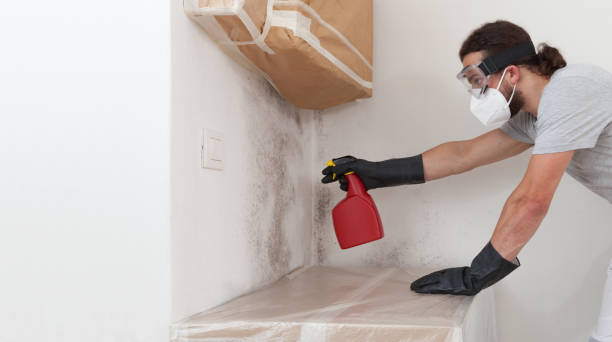
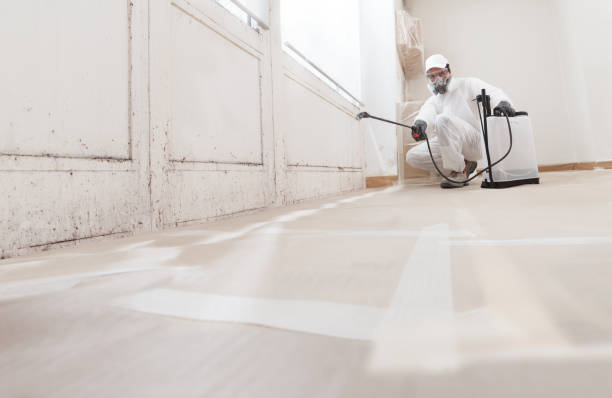
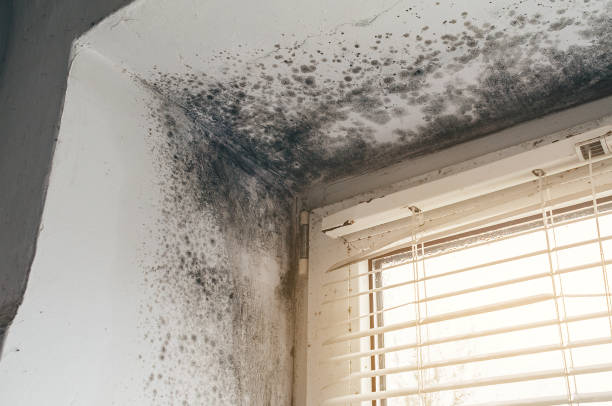
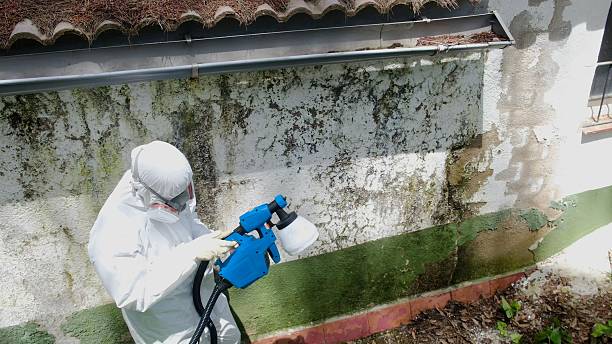
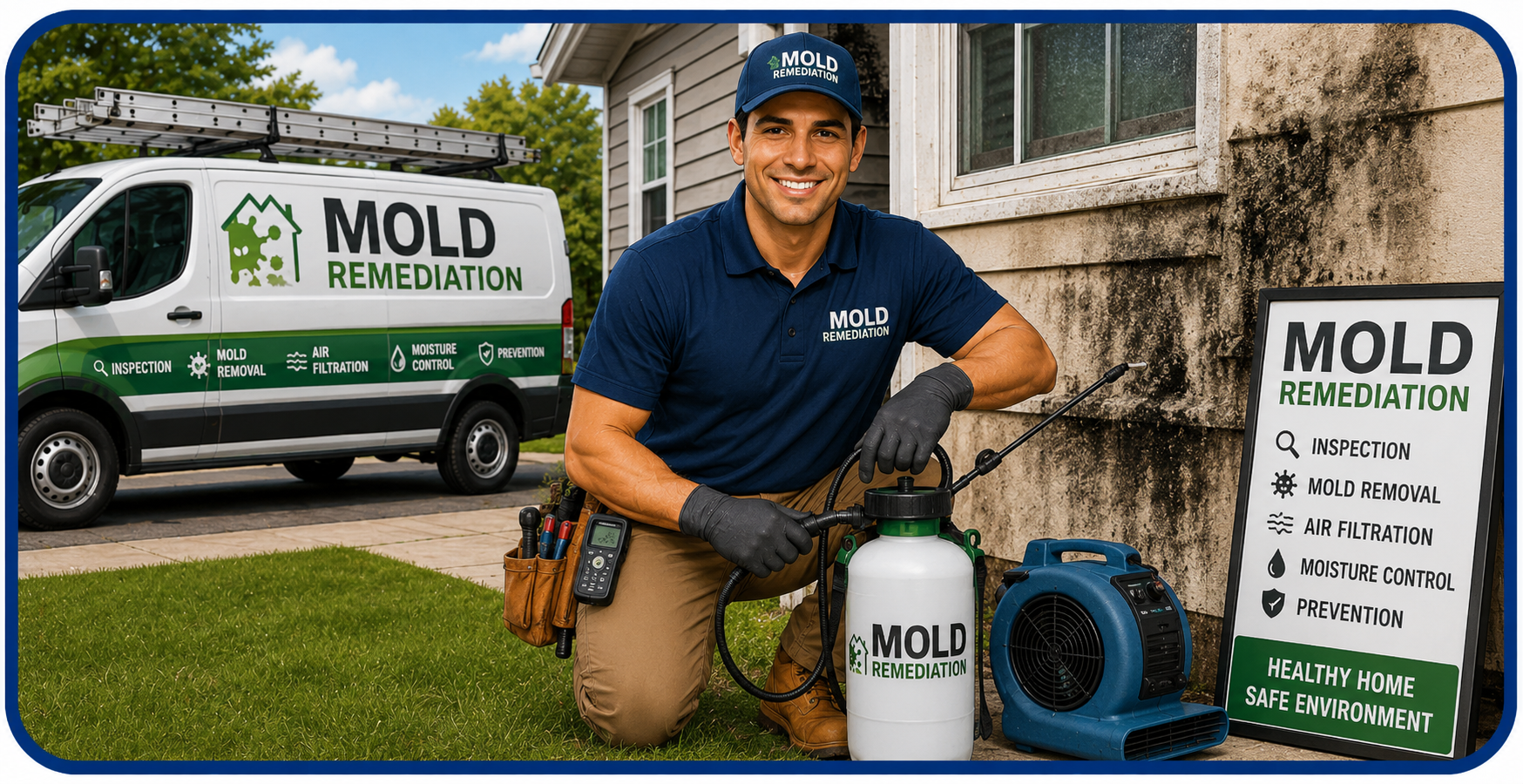
Whether it's a bathroom ceiling, a flooded crawl space, or a commercial property, our IICRC-certified team handles every Basement Mold Removal job in Corapeake, NC with the right equipment and documented protocols.

Mold isn't something you want to handle with a bottle of bleach and a weekend afternoon. It hides behind drywall, inside HVAC ducts, beneath flooring — anywhere moisture has settled. At Cheap Mold Removal, we've built our entire operation around one goal: finding every colony, removing it safely, and preventing it from coming back. Our technicians in Corapeake are IICRC-certified in Applied Microbial Remediation (AMRT) and trained to handle everything from minor bathroom growth to large-scale infestations following floods or roof leaks.
Cheap Mold Removal operates local dispatch units across NC so we can genuinely arrive fast — not in a few days, but the same day you call in most cases. We document every step with pre- and post-remediation testing so you have a written record that the work was completed correctly. That documentation matters for insurance claims, real estate transactions, and your own peace of mind.

That damp, basement-like smell in a room that should be dry is almost always organic growth — mold producing microbial volatile organic compounds (MVOCs) as it digests building materials.
Fuzzy or powdery spots on drywall, ceiling tiles, or behind furniture that's against an exterior wall are strong indicators. Color alone doesn't determine toxicity — lab testing does.
Mold spores are aerosols — airborne particles that your HVAC system circulates through every room. If household members experience persistent coughing, sneezing, or eye irritation that eases when they leave the home, indoor mold exposure is a plausible cause.
Blistered paint near windows, at wall-floor junctions, or on exterior-facing walls is a reliable surface indicator of moisture intrusion — and often concealed mold growth underneath.
Even after water damage appears visually dry, moisture can persist inside wall cavities and beneath flooring at levels sufficient to sustain mold. Thermal imaging and moisture meters are the only reliable detection tools.
Insulated pipes that still show condensation indicate that ambient humidity is high enough to keep surfaces perpetually damp. That same humidity is feeding any mold present in adjacent cavities.
White chalky staining on basement or foundation walls indicates water is wicking through the concrete. Wherever water wicks, it reaches the finished surfaces on the other side — and those surfaces often support mold growth over time.
Mold inside duct systems is particularly concerning because forced-air heating and cooling distributes spores throughout the entire structure. If your vents smell musty when the system runs, a duct inspection and air quality test are the right first steps.

From a single contaminated bathroom to a post-flood commercial facility, our crew arrives equipped to assess, contain, remove, and treat. Every project gets a documented scope-of-work and a post-remediation verification test.
Emergency response is where good remediation companies separate from mediocre ones. We establish negative air pressure containment immediately — keeping spores from migrating to unaffected areas of your home while we work.
We remove affected materials — drywall, insulation, subfloor — when necessary and coordinate with your contractor on reconstruction. The goal isn't just to clean visible surfaces; it's to eliminate the reservoir driving regrowth.
We build project timelines around your business schedule, work after hours when required, and provide written clearance reports your property manager, insurer, or legal counsel can rely on.
We remediate crawl space mold with encapsulated negative-air containment, treat joists and framing with EPA-registered antimicrobials, and — where appropriate — install vapor barriers and drainage systems to eliminate the moisture source permanently.
Before you can remediate, you need to know what you're dealing with — which species, what spore counts, and where concentrations are highest. Our air sampling and surface testing protocol produces a lab-verified baseline that guides the remediation plan and provides legal-grade documentation of initial conditions.
Attic mold in Corapeake, NC properties almost always traces back to two things: inadequate ventilation and bathroom or dryer exhaust venting into the attic cavity instead of outdoors. Moisture condenses on the cold roof deck in winter or in humid summers, and mold — typically Stachybotrys or Cladosporium — colonizes the sheathing.
You call, we dispatch. A certified technician arrives at your Corapeake property with moisture meters, thermal camera, and sampling equipment to map the affected zones.
This containment step isn't optional — it's what separates professional remediation from amateur cleanup. Disturbing mold without containment spreads spores to rooms that were previously clean.
Affected porous materials — drywall, insulation, subfloor, framing — are removed and bagged in 6-mil poly for disposal. Remaining structural surfaces are HEPA-vacuumed, treated with EPA-registered antimicrobials, and allowed to dry to target moisture levels.
After remediation, we collect post-clearance air samples and submit them to an AIHA-accredited lab. You receive a written clearance report confirming spore counts are at or below outdoor ambient levels — the standard that matters, not just the absence of visible mold.
Every technician holds current IICRC Applied Microbial Remediation (AMRT) certification. That's the industry credential that separates trained remediation specialists from general contractors who offer mold work as a sideline.
We maintain local dispatch units across NC so our response time to Corapeake and surrounding areas is measured in hours, not days. Mold establishes new colonies fast — your response time needs to match.
We quote your project before work begins — not after we've opened walls and found a larger problem. If the scope changes, we notify you and get your approval before proceeding. No surprise invoices.
We don't declare a job done based on visual inspection alone. Every project closes with third-party air sampling submitted to an AIHA-accredited laboratory. You get a written clearance report — documentation that carries real weight with insurers, real estate professionals, and legal counsel.
We work directly with your adjuster when possible and can provide supplemental documentation for contested claims. You focus on getting your home back — we handle the paper trail.
Remediation that stops at mold removal leaves you with open walls and no path forward. Cheap Mold Removal coordinates reconstruction — drywall replacement, insulation, painting — so you're not managing separate contractors for each phase.

After a slow leak under our kitchen sink went unnoticed for months, we found black mold covering almost the entire interior of the cabinet and spreading behind the drywall. Cheap Mold Removal had a technician at our door the same day I called. They set up containment, collected air samples, and walked me through the whole process before touching anything. The clearance test passed on the first try. Worth every penny for the documentation alone.
As a property manager, I've dealt with mold contractors who say the right things and then disappear after removing the visible stuff. Cheap Mold Removal actually ran post-clearance testing and handed me an AIHA lab report I could send directly to the building owner and insurer. That's the professionalism this industry should deliver as standard.
I'm a real estate agent and I now recommend Cheap Mold Removal to any client who needs Basement Mold Removal — fast, professional, and their clearance documentation is accepted by every lender and insurer I've worked with. That's rare. Some outfits produce reports that adjusters kick back immediately; theirs go through.
Three contractors told us the mold in our attic was "surface level and easy to clean." When I called Cheap Mold Removal, they were the only ones who mentioned spore count testing. The sampling showed the attic had Stachybotrys that had penetrated the roof decking. We needed full sheathing treatment — the other guys would have missed it entirely.
After Hurricane season left us with water intrusion in two rooms, we were worried about what might be growing inside the walls. The moisture readings Cheap Mold Removal took confirmed active dampness in the wall cavity even though it looked dry on the surface. They were right — when they opened it up, mold was growing on the paper backing of the insulation.
We had mold in a daycare facility — which meant we needed documentation our licensing board and parents could trust. Cheap Mold Removal understood the stakes, followed every containment protocol precisely, and delivered a clearance package that included chain-of-custody lab documentation. Exactly what we needed.

Cheap Mold Removal dispatches certified Basement Mold Removal technicians across Corapeake and throughout NC. Whether you're in the city core or a surrounding suburb, our local dispatch model keeps response times short and our crews familiar with regional construction types and weather-driven moisture patterns.
We serve Corapeake and the broader Corapeake, NC region. Same-day response available throughout NC — call +1-844-578-1604 to confirm coverage in your specific location.

Licensed, certified, and ready to dispatch to Corapeake. Call now for upfront pricing and same-day availability.
Call +1-844-578-1604 — Free Assessment